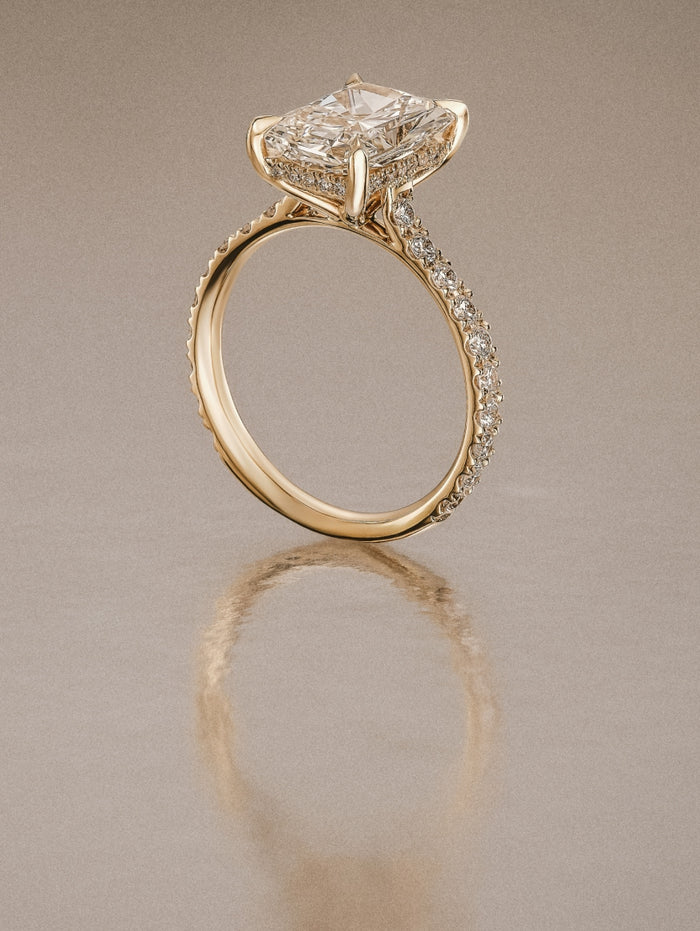

Which Finger Do You Wear Engagement and Wedding Rings On?
Which finger should you wear your engagement and wedding rings on? It’s a simple question - but one with many answers. Around the world, there are at least seven different variations of this tradition, each with its own fascinating history and symbolism.
From the British “ring finger” custom to modern trends and global traditions, here’s everything you need to know about how and why we wear engagement and wedding ring.

The British ring tradition
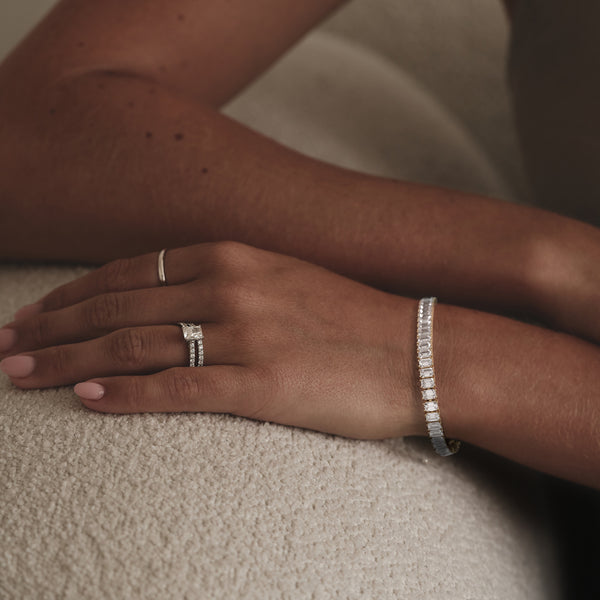
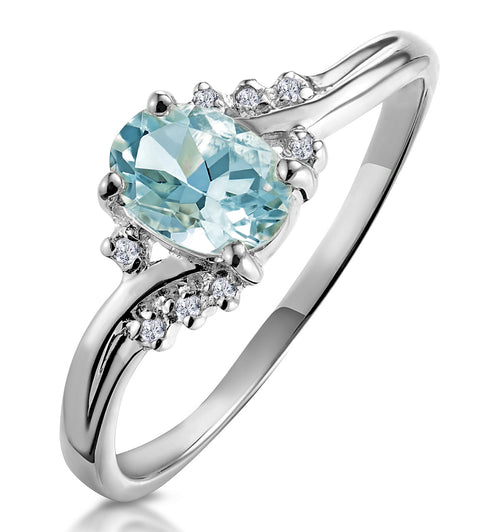
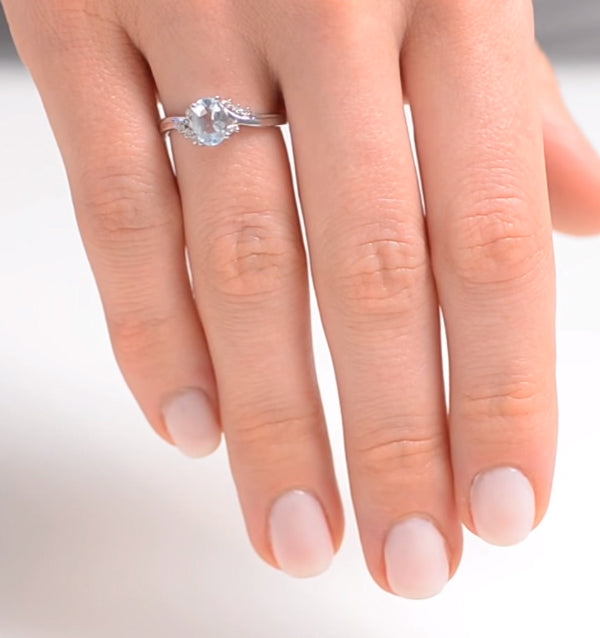
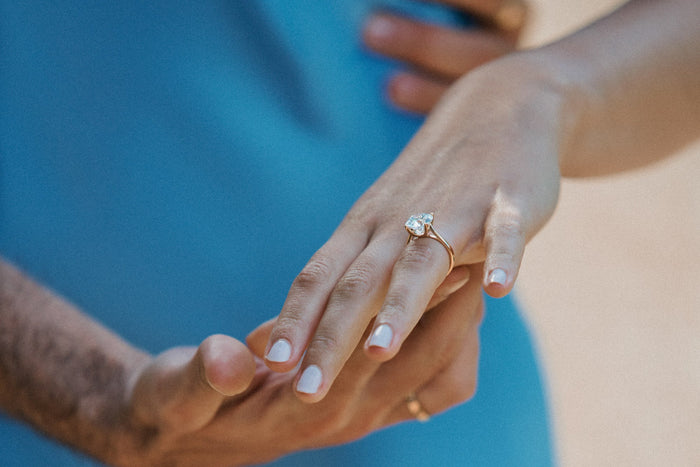
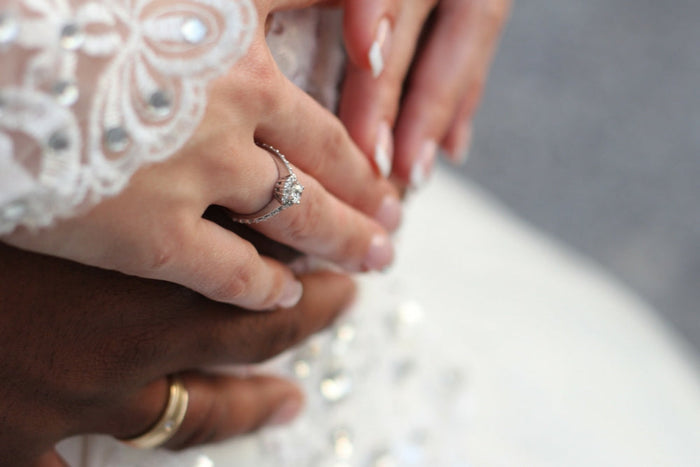
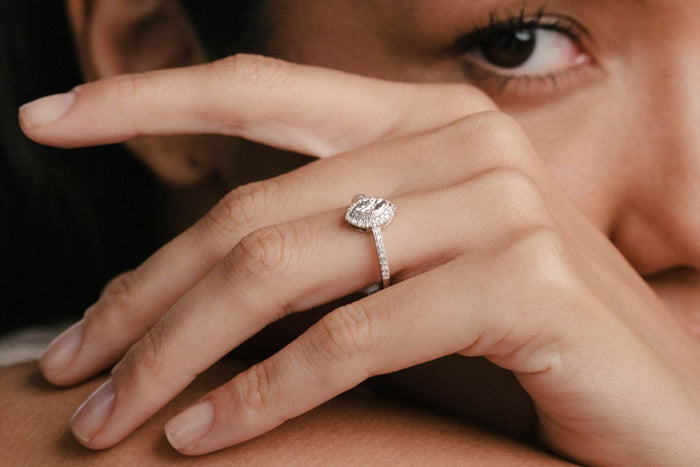
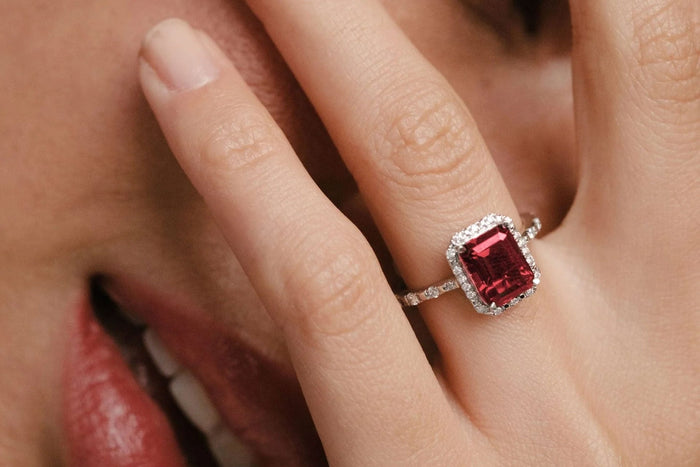
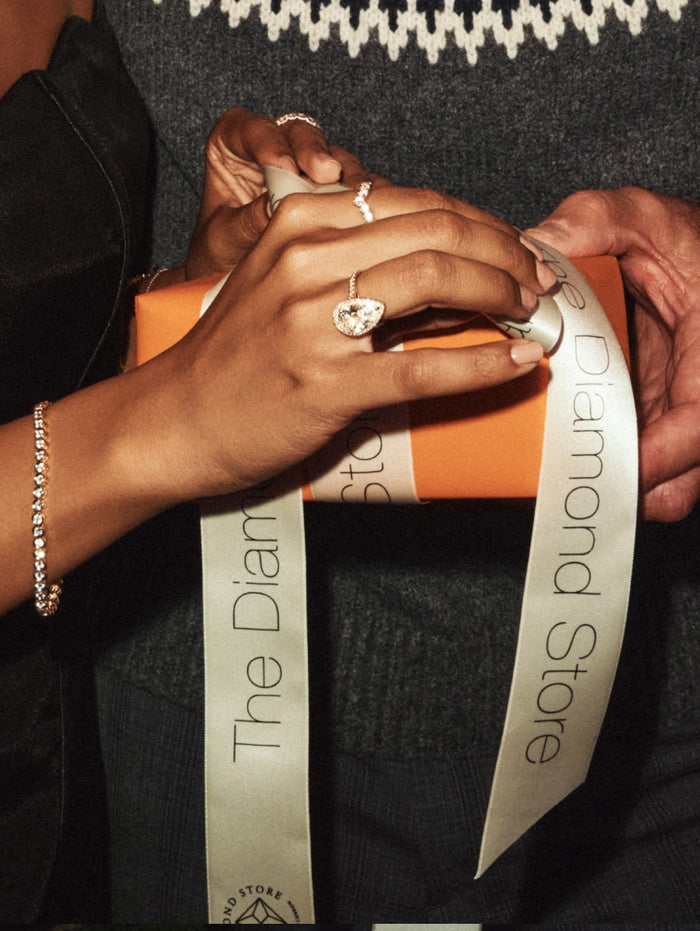
In the UK and Ireland, the tradition is for the man to propose with an engagement ring, placing it on the fourth finger of the woman’s left hand - known as the ring finger.
Some couples also exchange promise rings before getting engaged. A promise ring symbolises love and commitment and is usually worn on the same left-hand ring finger.
After the wedding, most women in Britain wear both rings together on the same finger - the engagement ring and the wedding band. It’s also acceptable to wear the wedding ring alone, though less common.
Which ring goes on first?
In the UK, the wedding ring is worn first, placed closest to the heart. The engagement ring sits on top, said to ‘seal’ the marriage.
During the ceremony, many brides move their engagement ring to their right hand so that the wedding ring can be slipped easily onto the left. Afterwards, the engagement ring is moved back on top of the wedding band.

The history of the ring finger tradition
The British wedding ring tradition can be traced back to ancient Egypt, where people believed that a special vein - the vena amoris, or “vein of love” - ran directly from the fourth finger of the left hand to the heart.
This idea was adopted by the Romans, who also introduced the concept of engagement rings - pre-marriage bands given to symbolise a promise to wed.
So, while the wedding ring tradition originated in Egypt, the engagement ring tradition comes from Rome.
Countries that share the British custom
Many countries follow the same ring-wearing tradition as Britain, including:
- The USA
- Ireland
- Canada
- Australia
- New Zealand
- South Africa
Several European and Mediterranean countries - such as Italy, Turkey, Jordan, Mexico, Sweden, Finland, Croatia, Slovenia, Romania, and even Egypt - also wear engagement and wedding rings on the left-hand ring finger.

Right-hand ring traditions around the world
In other cultures, the right hand is the traditional choice for engagement and wedding rings.
This is the case in: Spain, Germany, Russia, India, Norway, Denmark, Bulgaria, Serbia, Lithuania, Greece, Poland, Austria, Hungary, and Venezuela.
Here, the engagement ring is often placed first, followed by the wedding ring - simply reflecting the order in which the rings were received.
In Germany, Protestants tend to wear rings on the left hand, while Catholics prefer the right.
Ring customs by religion and region
- Jewish tradition: In modern Jewish weddings, the ring is often placed on the right-hand ring finger during the ceremony, then moved to the left afterwards. In more traditional ceremonies, the index finger or even the thumb may be used.
- Muslim tradition: Rings are not traditionally used in Islamic wedding ceremonies, but when worn, they can appear on either hand. In Iran, wedding bands are common and typically worn on the right hand.
- Brazil: Couples place the engagement ring on the right hand, then move it to the left during the wedding ceremony.
- India: Rings were not historically part of Indian wedding customs, but Western influence has made diamond engagement rings increasingly popular.

The rise of men’s engagement rings
The idea of men wearing engagement rings - sometimes called “man-gagement rings” - is a growing trend.
According to surveys, interest in men’s engagement rings has surged in recent years, reflecting changes in gender roles, equality, and fashion.
Celebrities have helped popularise the look. Ed Sheeran, for example, proudly wore an engagement ring, saying, “It’s the same commitment either way.” Other famous examples include Ryan Reynolds and Michael Bublé, who both wore engagement bands.
Men’s engagement rings tend to be plain metal bands, pavé diamond bands, or signet-style rings, rather than solitaires – but there are no rules. For many couples, it’s simply another way to share commitment equally.
In conclusion: Which tradition should you follow?
With so many traditions worldwide - and a growing trend toward individuality - there’s no single “right” way to wear your engagement and wedding rings.
Whether you choose the classic British left hand, a right-hand tradition from abroad, or a modern, gender-neutral take, the most important thing is that your rings feel authentic to you. After all, how you wear them is simply another way to express your love story.