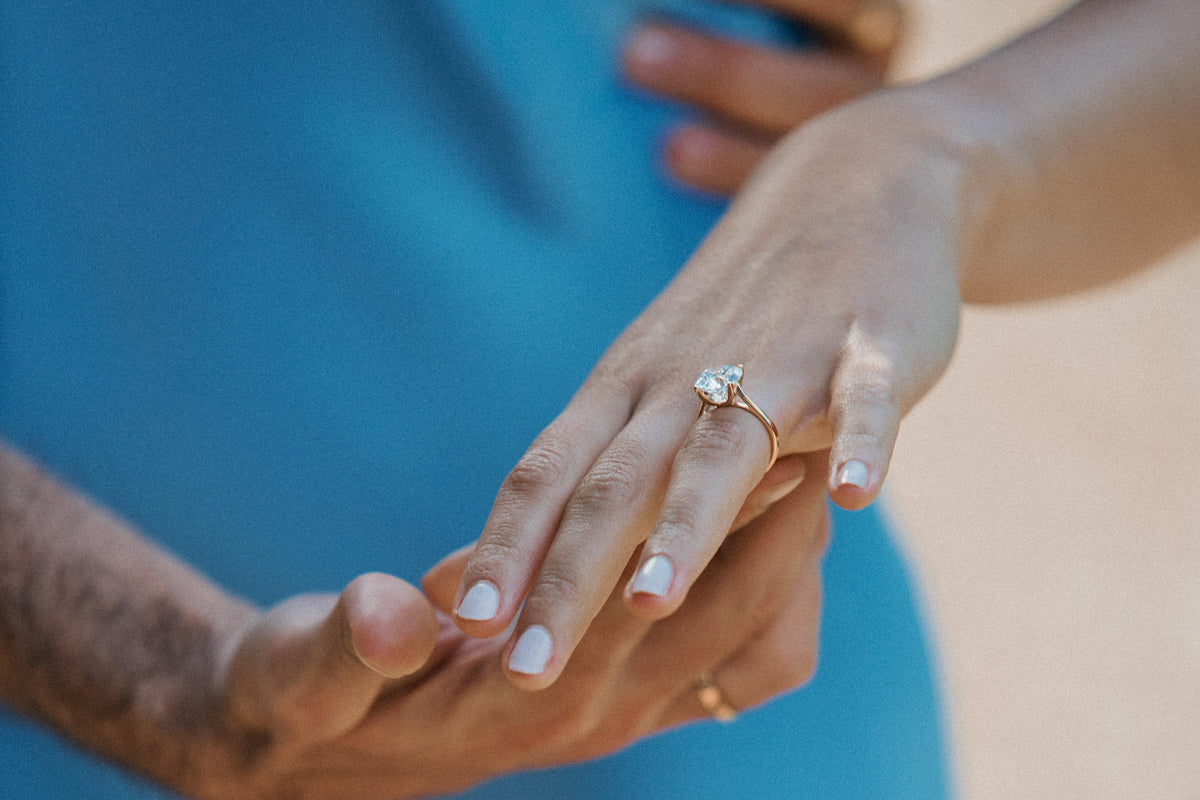
10 Tips for choosing the perfect engagement ring
Choosing an engagement ring is one of the most exciting purchases you’ll ever make – but with different diamond shapes, settings, metals and carat weights to consider, knowing where to begin can feel overwhelming.
The good news? There’s no single formula for finding the perfect ring. Start with the person who’ll be wearing it, set a budget you’re comfortable with and use our 10 tips to narrow down the choices.

1. Set your budget first
Forget the old rules about spending a certain number of months’ salary. The right engagement ring is one that you love and can comfortably afford.
Setting your budget before you start shopping will make it much easier to compare your options. Remember that carat weight isn’t the only factor that determines the look or price of a ring – diamond quality, shape, setting and metal will all make a difference, too.
If you want to make your budget stretch further, consider lab-grown diamonds, alternative metals or settings designed to maximise the appearance of the centre stone, such as cluster or halo styles.
2. Learn the 4Cs
If you’re choosing a diamond engagement ring, understanding the 4Cs – cut, colour, clarity and carat – is a good place to start.
Cut influences how effectively a diamond reflects light and therefore its sparkle. Colour grades how colourless a diamond appears, while clarity refers to its natural inclusions and blemishes. Carat measures the diamond’s weight rather than simply its visible size.
The best diamond isn’t necessarily the one with the highest grade in every category. Think about which characteristics matter most to you and find the right balance for your budget.

3. Look at the jewellery they already wear
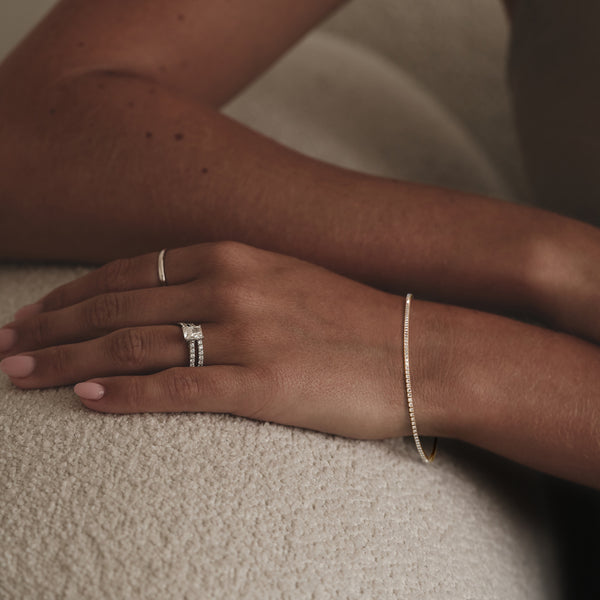
Do they usually wear white or yellow metals? Is their style minimal and understated, vintage-inspired or more statement-making? Do they like clean lines or intricate detailing?
Their existing jewellery can offer clues about everything from metal colour to overall style. If you’re still unsure, ask someone close to them for advice – they may even know exactly which rings have already made the wish list.
4. Find their diamond shape
The shape of the centre stone might be the most important part of an engagement ring.
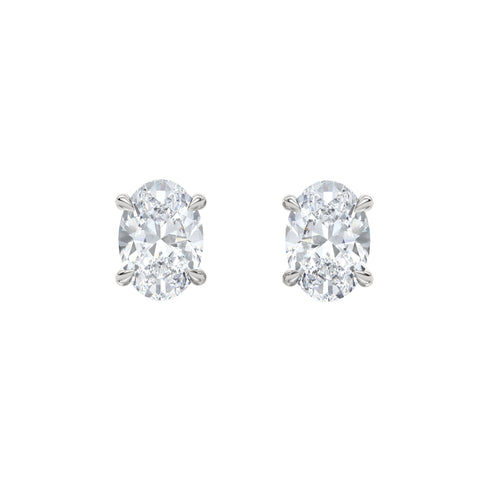
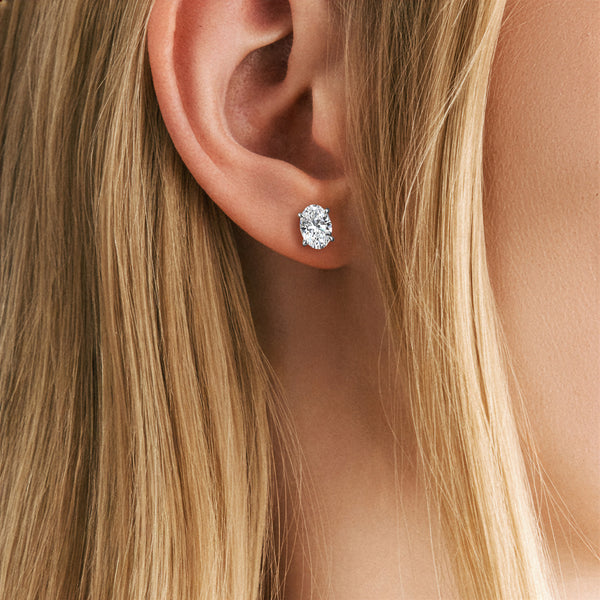
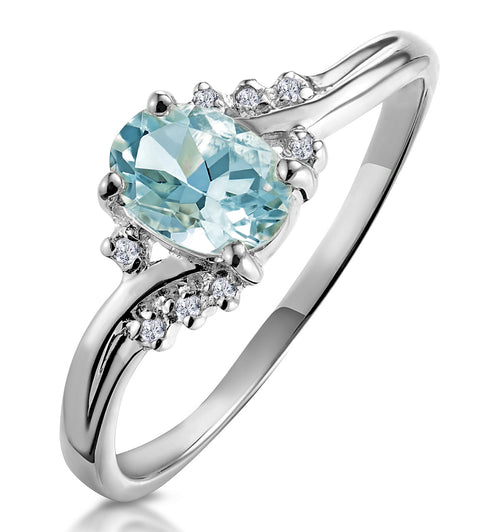
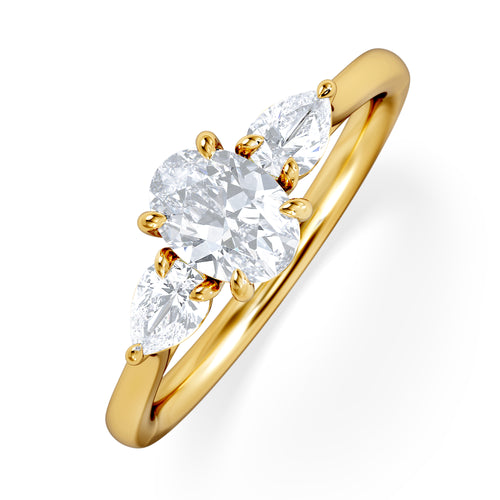
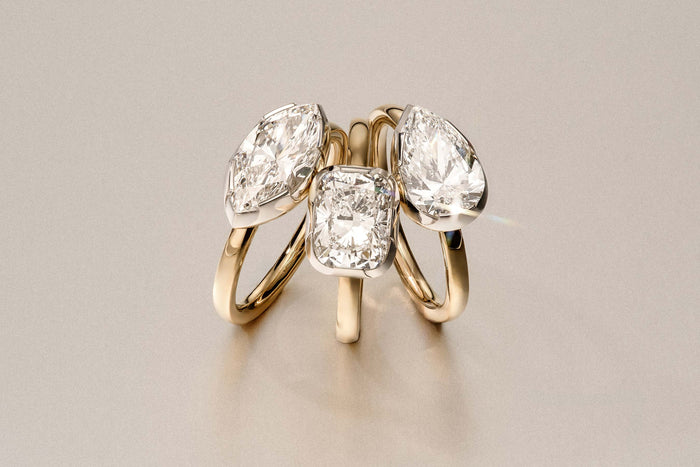
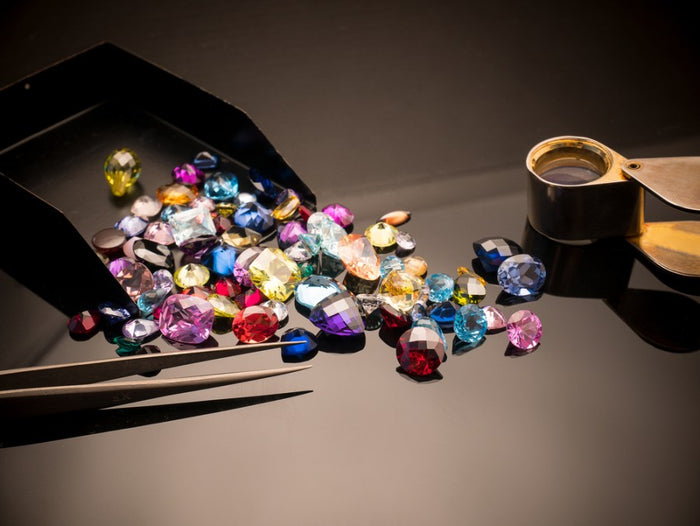
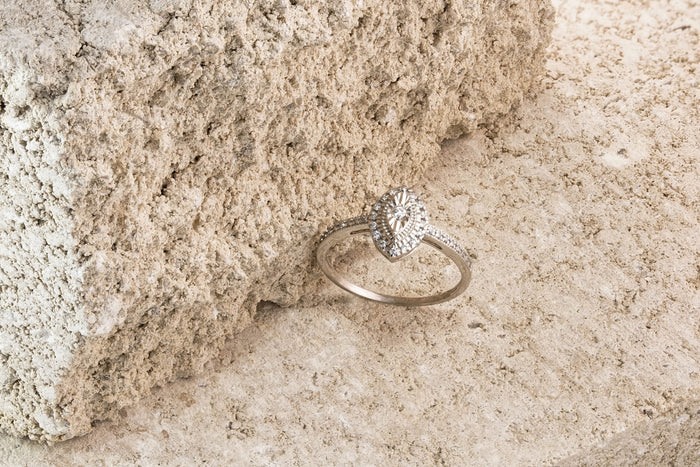
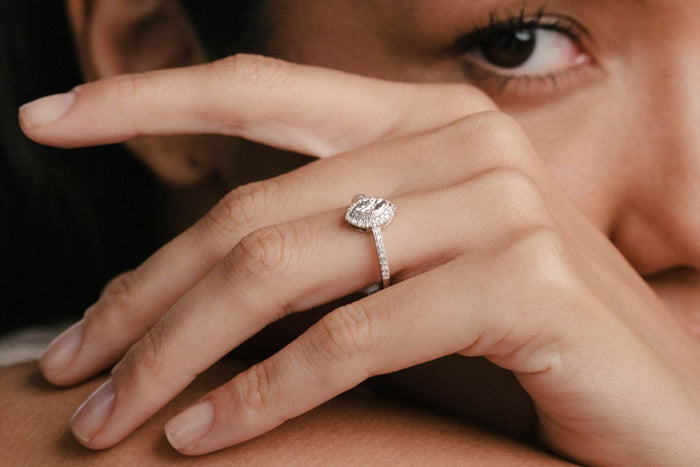
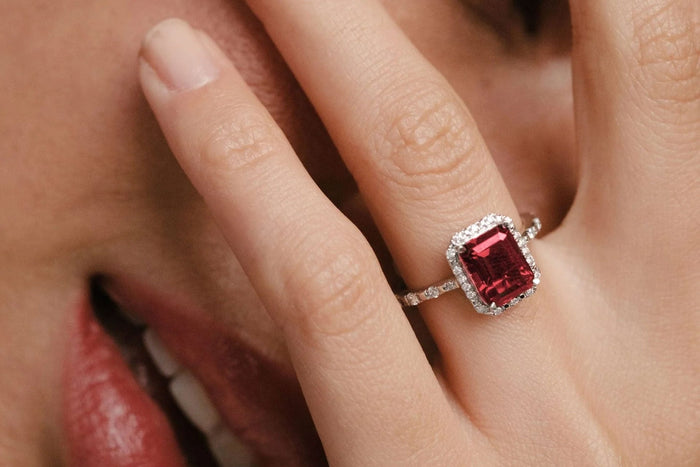
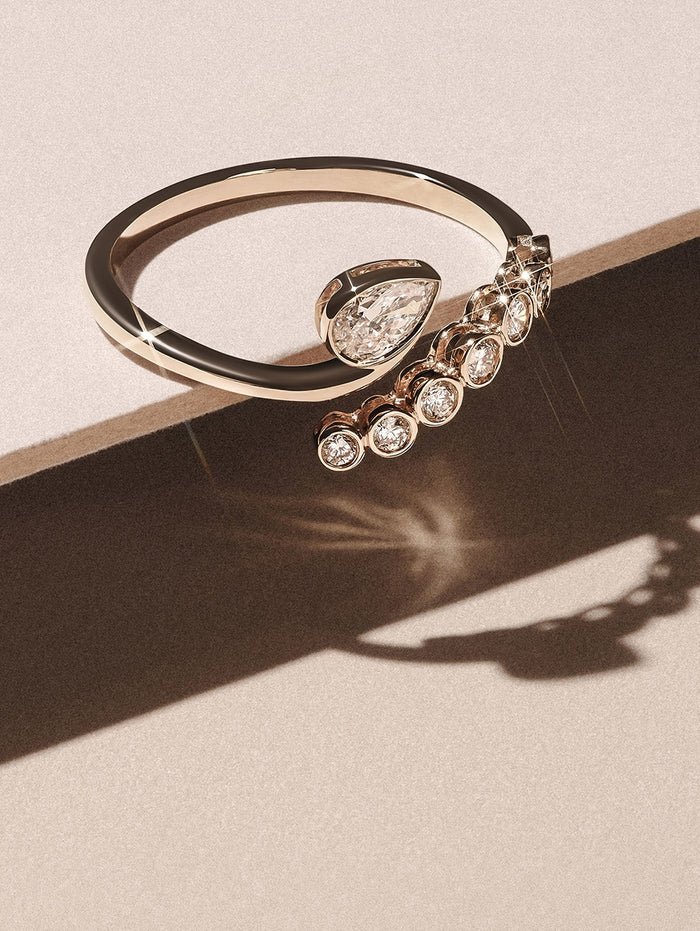
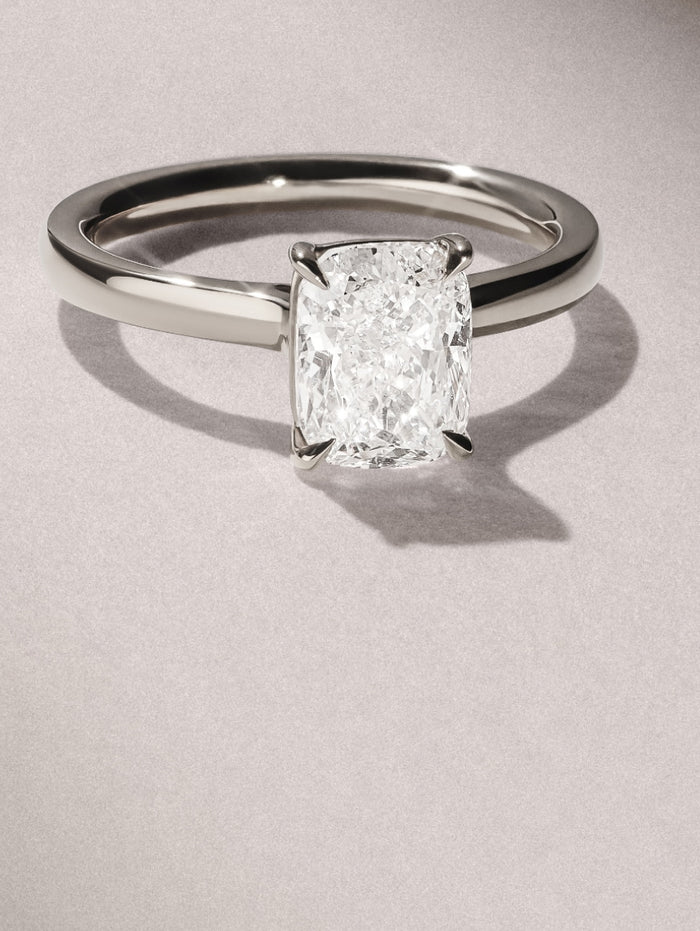
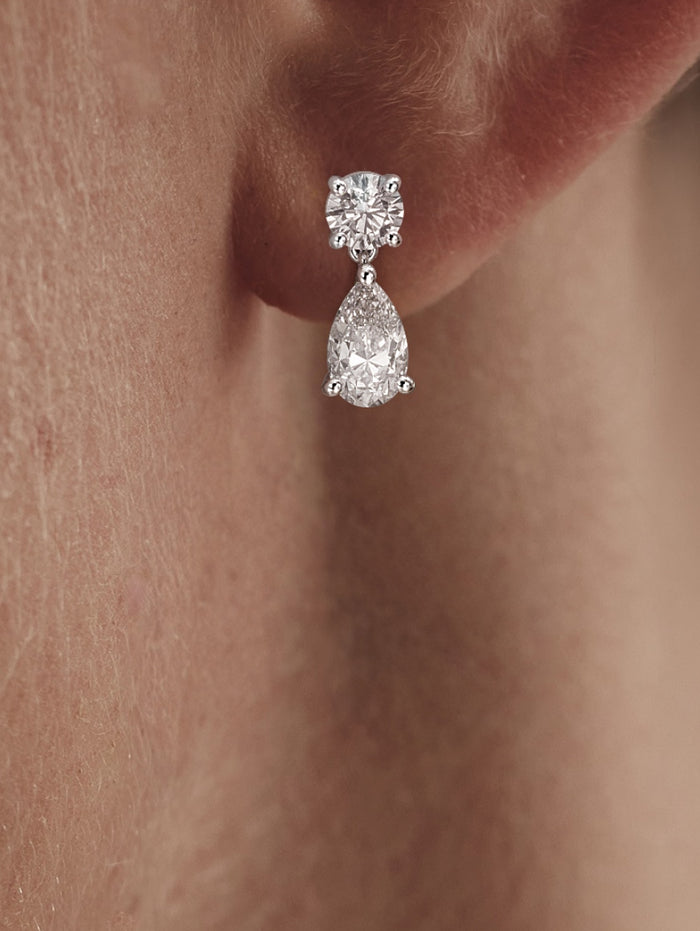
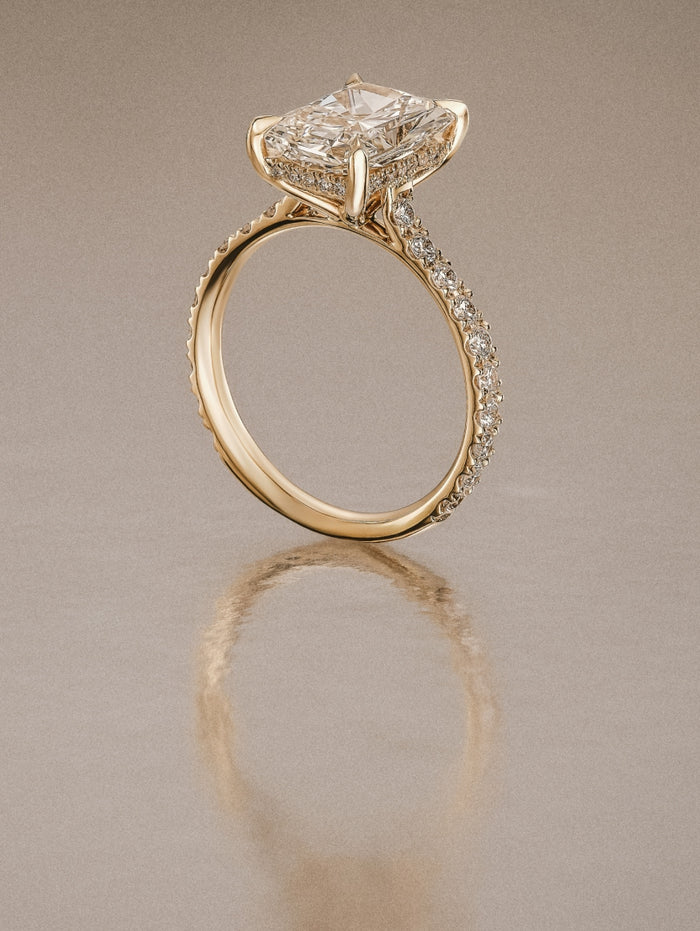
Ever-popular round brilliant diamonds are timeless and known for their sparkle, while oval, pear and marquise cuts create an elongated look on the finger (and are incredibly on trend). Emerald and Asscher cuts have distinctive step-cut facets and a more geometric appearance, while cushion and radiant cuts combine softer outlines with plenty of brilliance.
There’s no universally “best” diamond shape – focus on the one that feels most like them.
5. Choose the right setting
Once you’ve found a stone shape, think about how you want it to be set.
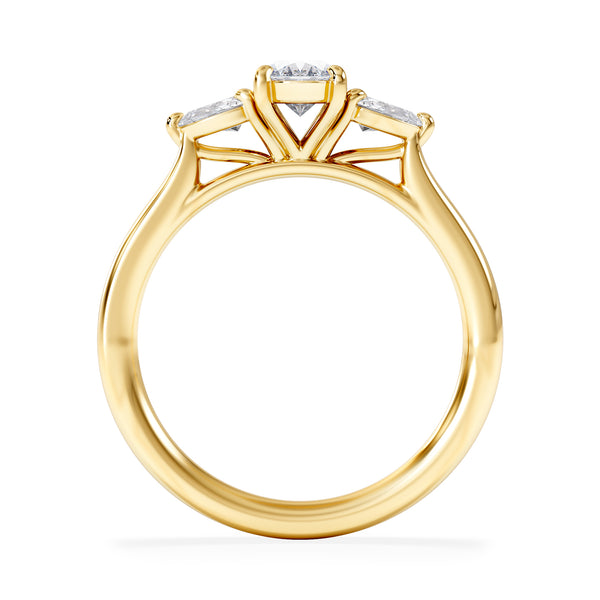
A solitaire keeps all the attention on one centre stone, while a halo surrounds it with smaller diamonds for additional sparkle and visual impact. Side-stone and pavé designs extend the diamonds across the band, while a three-stone or trilogy ring uses three stones to create a more substantial look across the finger.
For something more subtle, consider a hidden halo, which adds diamonds beneath the centre stone for extra sparkle from the side.
Think practically, too. A higher setting can give the centre stone more prominence, while a lower-profile design may suit someone who wants something streamlined for everyday wear.

6. Pick a metal that suits them
The metal frames the entire ring, so look at what they already wear.
Yellow gold has a classic warmth, while white gold offers a bright, contemporary finish that pairs naturally with diamonds. Platinum is the most durable white metal option.
You can also use metal to create contrast. A bright, white diamond against yellow gold, for example, can give a traditional solitaire a more distinctive finish.
7. Decide between natural and lab-grown diamonds
You can also choose between natural and lab-grown diamonds.
Lab-grown diamonds have the same chemical and physical properties as mined diamonds and offer the same brilliance and sparkle. Because they’re typically available at a more accessible price point, your budget may stretch to a larger carat weight.
Whichever you choose, consider the diamond’s quality, certification and provenance as part of your decision. All diamonds sold by The Diamond Store are ethically sourced in line with The Kimberley Process, or lab-grown.
8. Think about their lifestyle
An engagement ring is designed to be worn regularly, so think beyond how it looks in the box.
Someone who works with their hands, exercises frequently or has a particularly active lifestyle may prefer a lower-profile setting that’s less likely to catch. Settings that protect more vulnerable areas of a stone can also be worth considering for certain diamond shapes. The best ring should work with both their wardrobe and their everyday life.

9. Consider the wedding ring now
The wedding band might be a future purchase, but it’s worth thinking about when choosing the engagement ring.
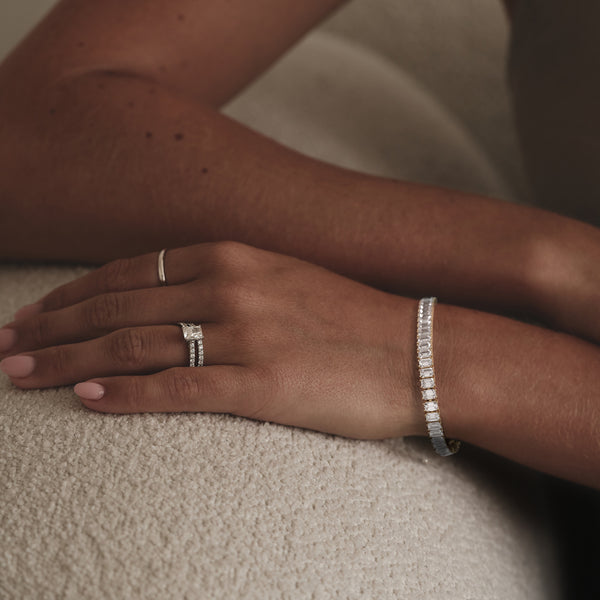
Some engagement ring settings allow a straight wedding band to sit flush against them, while others leave a small gap and may work better with a curved or shaped wedding band.
Neither is right or wrong – it comes down to the look they prefer. But if a perfectly flush bridal stack is important to them, check how the engagement ring will pair with a wedding band before buying. You can also look for bridal sets that have been designed specifically to sit together.
10. Get the ring size - as accurately as possible
If the proposal is a surprise, finding their ring size can require a little detective work.
Try borrowing a ring they already wear on the correct finger or asking a trusted friend or family member. A ring sizing guide can also help you compare an existing ring with standard sizes.
If you can’t find out without ruining the surprise, check whether your chosen design can be resized before ordering. Some styles are easier to resize than others, so knowing your options in advance gives you extra peace of mind.
What if you still can’t decide?
Start with three things: their style, your budget and the type of ring they already gravitate towards. You don’t always need to choose the biggest diamond to find the right engagement ring - the best choice is the one that feels most like the person who’ll wear it.
And if you need a second opinion, our jewellery experts can help you compare shapes, settings, metals and diamond options to find your perfect match. Just get in touch.